Loading magazine…

Loading magazine…
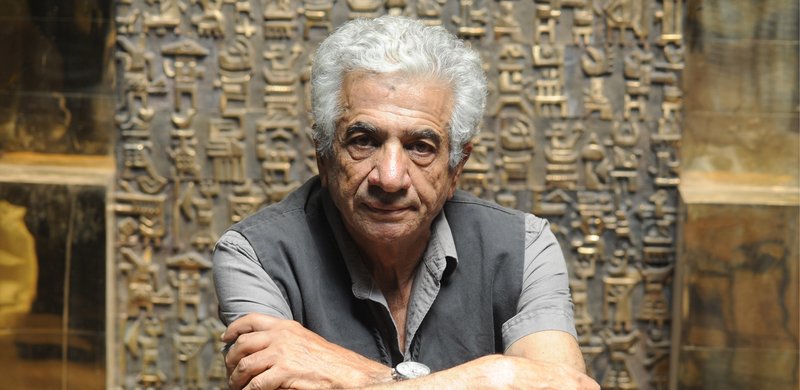
The George Washington University Museum and The Textile Museum will present Parviz Tanavoli with the 2026 George Hewitt Myers Award in recognition of more than sixty years of work devoted to the study, documentation, and collection of Iranian nomadic and rural textiles and weavings. Named after the museum’s founder, George Hewitt Myers, the award is considered one of the most significant international honors in the field of textile arts.
Since the 1950s, Tanavoli has collected and researched Iranian art, including nomadic handwoven works. His research on Persian carpets and textiles, spanning more than sixty years, has been published in more than forty books and articles. His exhibitions devoted to Iranian handwoven works began in the mid-1960s and were subsequently presented at museums and galleries across the United States and various European countries.
Tanavoli, an influential figure in the development of modernism in Iranian art and one of Iran’s most widely recognized contemporary sculptors, has also carried out extensive research on Persian carpets and textiles and played an important role in bringing greater attention to these traditions. Alongside his research and collecting, he has also worked in the field of traditional crafts, and his artworks are held in museum collections around the world.
In previous years, Tanavoli donated 1,408 pieces from his collection of Iranian nomadic weavings and artworks to Iran’s Cultural Heritage, Tourism and Handicrafts organization. The collection was intended to be displayed in a permanent museum bearing Parviz Tanavoli’s name; however, the museum has yet to be established.
At the 2026 award ceremony, museum trustees Bruce Baganz and Wendel Swan will recognize Tanavoli’s contributions to the study of textiles. A selection of textiles collected by Tanavoli will also be presented, accompanied by discussion of their use and significance within Iran’s nomadic cultures.
Source:
Cover and Slider Image: